
Sports and play
Keeping up with friends and doing the sports you love.
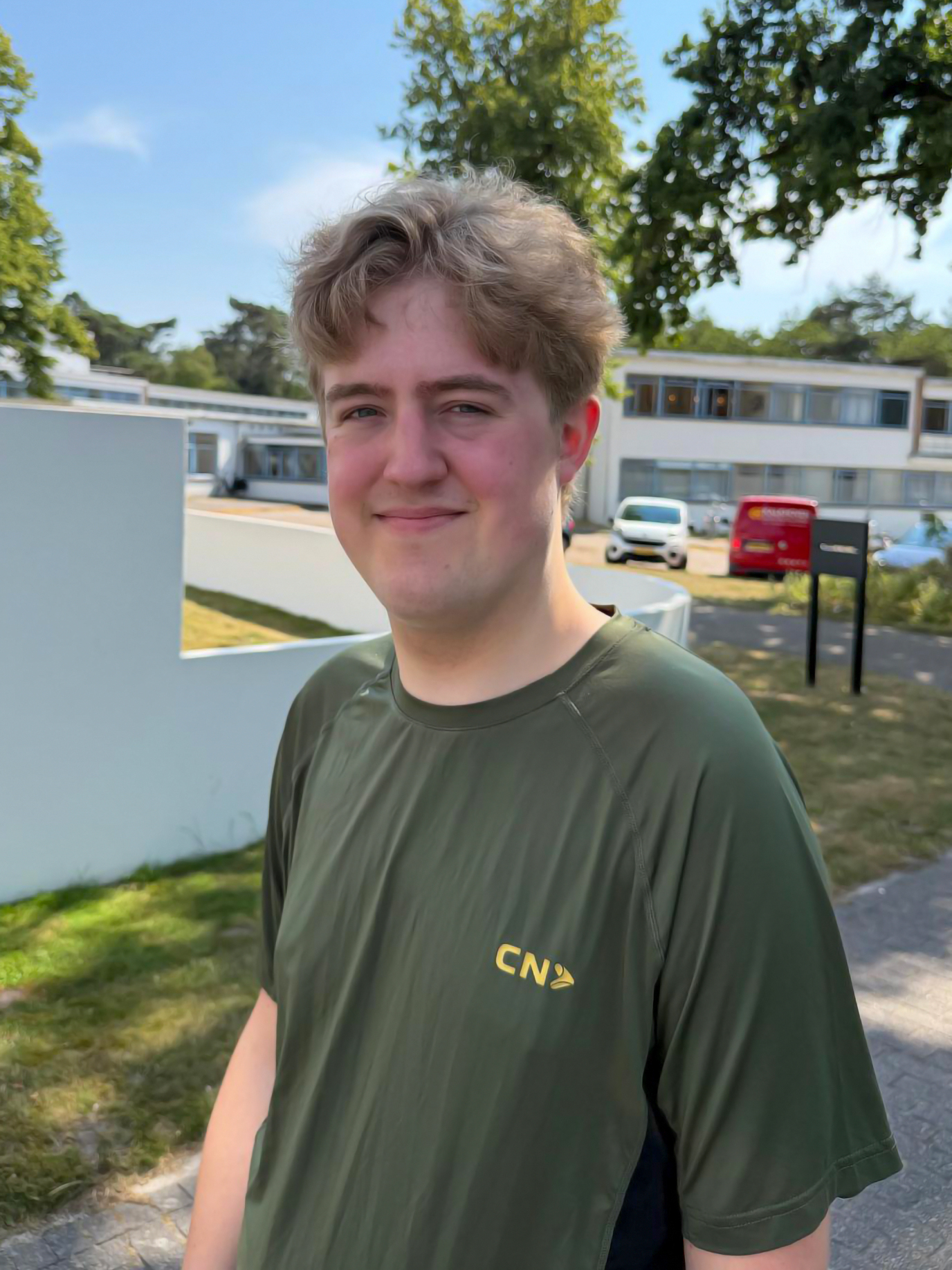
Two young men. Two families. A progressive muscle disease. No treatment. A potential gene therapy. Scientists who have spent years getting it this far. And now a financial gap stands between the laboratory and a first clinical trial.
For Floris and Tobias, and others like them, it is essential that Phase 1 starts as soon as possible. Through your donation, we can accelerate the path from care to a real cure, changing the course of their future.
Paving the way fromcare to cure
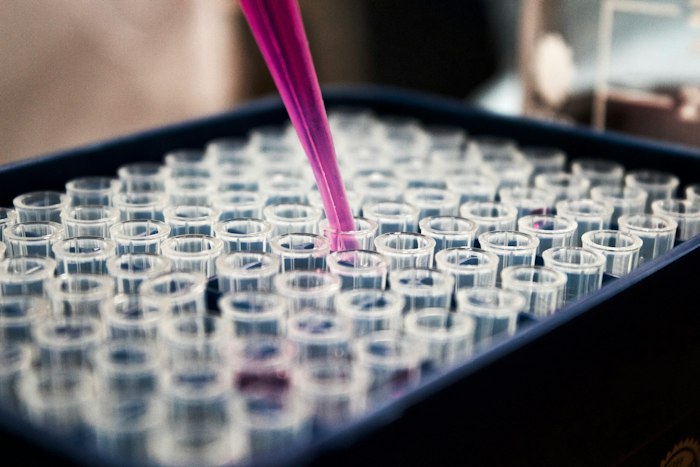
More than a decade of research has brought ATA-300 to the threshold of clinical development. Funding is needed to prepare the first Phase 1 clinical trial for people with Limb-Girdle 2A/R1, manufacture the therapy, and treat the first six patients. Results from earlier successful trials for other LGMD subtypes have provided important knowledge and data for this development. In the same way, the LGMD 2A trial can generate new insights that also contribute to developing treatments for other LGMD subtypes. Our mission is to help make that next step possible.
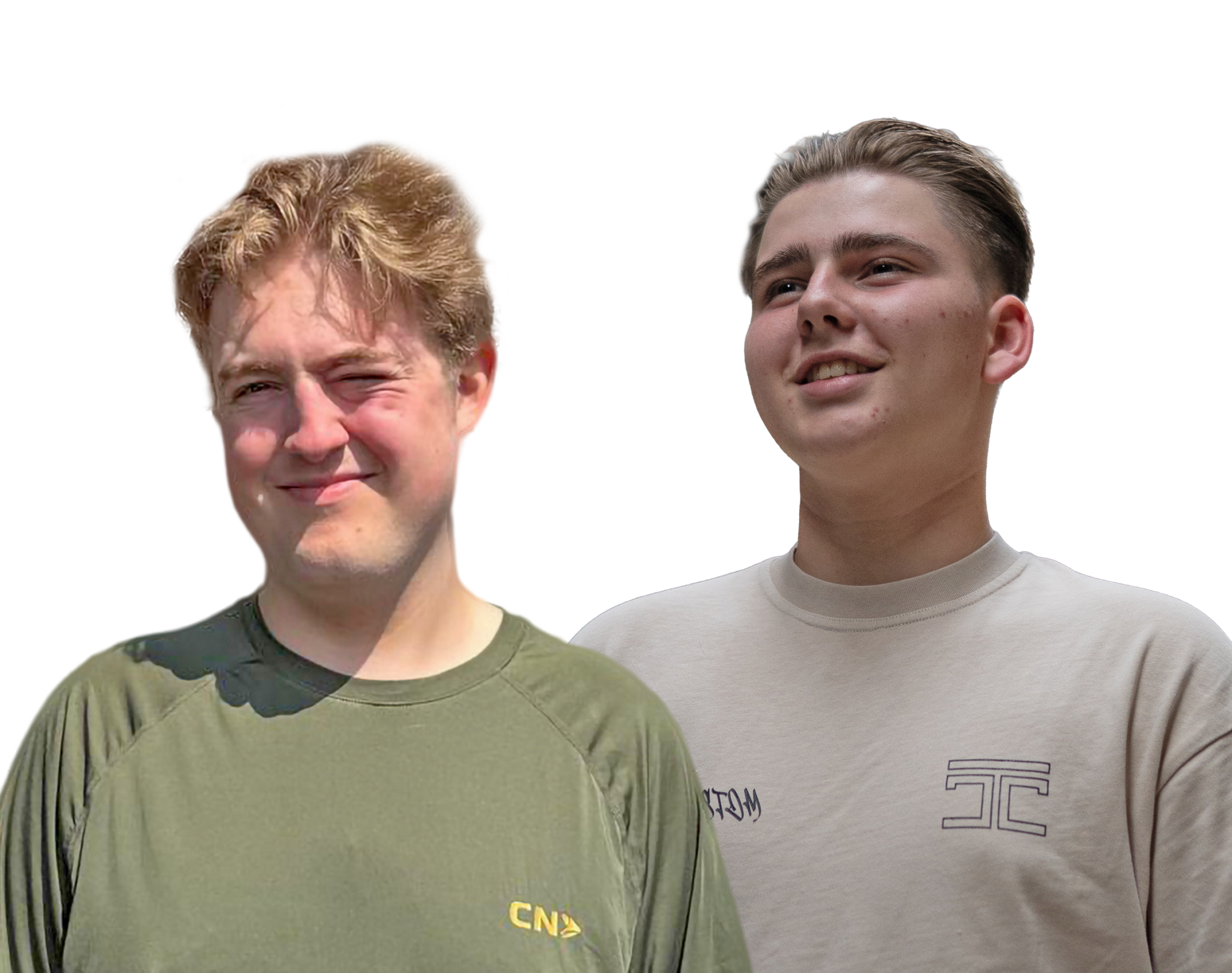
The Together for Limb-Girdle Foundation was founded by the parents of Tobias (18) and Floris (21), two young men from the Netherlands living with Limb-Girdle Muscular Dystrophy type 2A/R1 (LGMD2A/R1). What began years ago as a personal quest for answers grew into a shared mission: to accelerate research and bring effective treatments for this progressive muscle disease closer to reality.
From our own experience, we know that waiting is not an option. LGMD is a disease that progresses every day. That is why we believe there is no time to lose. Speed is essential, in research, in collaboration, and in the development of solutions.
Because LGMD is a rare disease, pharmaceutical companies do not automatically prioritize the development of treatments. That is why collaboration is crucial. Only by bringing together the strength of patients and families, researchers, physicians, companies, and other organisations around the world can we accelerate the necessary steps and overcome barriers. Our foundation exists to create those connections.
Together, we want to build a future with more understanding, better care and real hope for everyone living with Limb-Girdle muscular dystrophy.
Paving the way from care to cure. We work to raise awareness, support patients and families, and accelerate scientific research, so that effective treatments and ultimately a cure for Limb-Girdle muscular dystrophy become possible. We connect people, share knowledge and invest in progress, at a time when clinical trials and innovative therapies such as gene therapy and new medication offer growing hope.
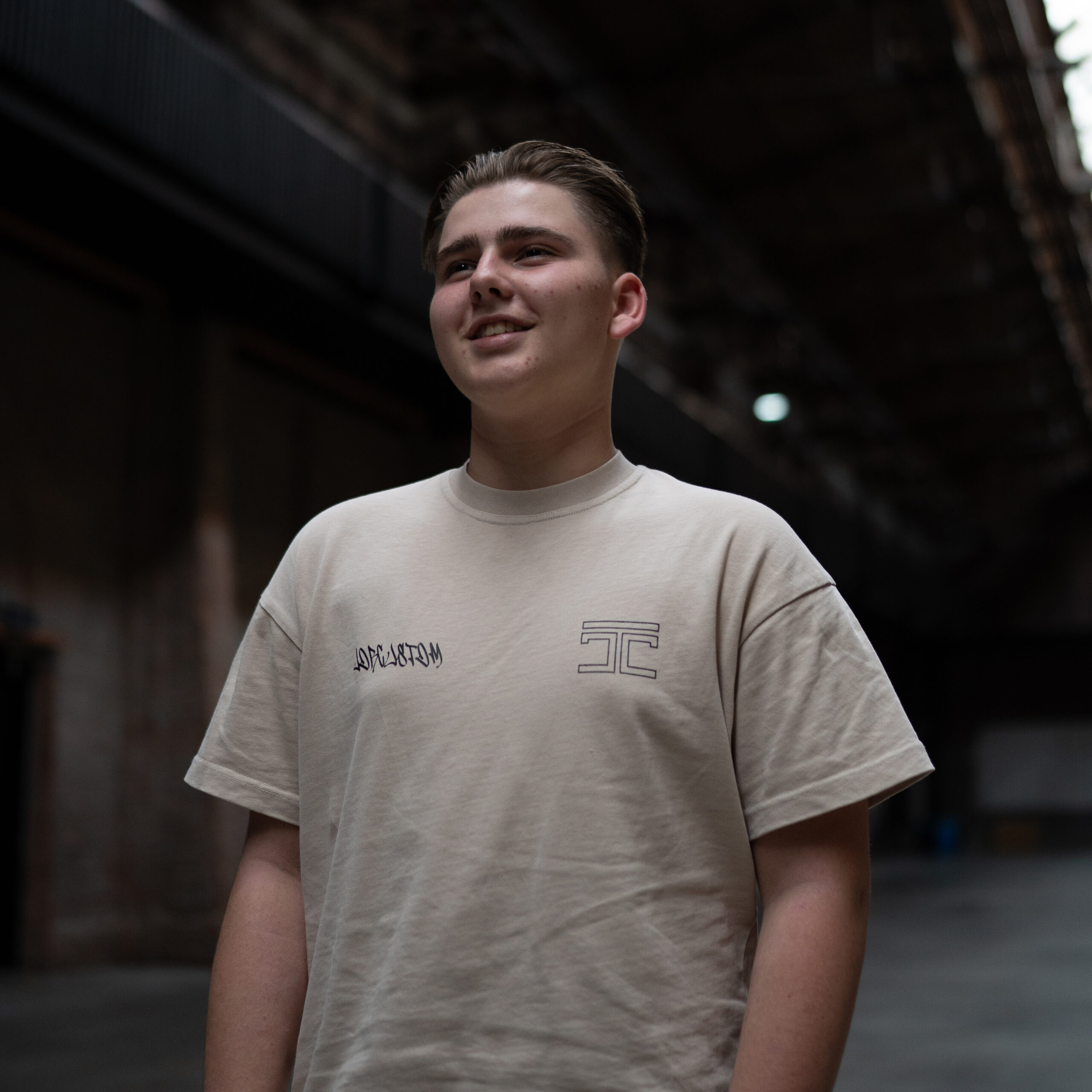
Read more →Tobias and Floris had never met until their fathers were introduced through a mother whose son participated in a clinical trial ten years ago. That story showed that what once seemed impossible could become reality, and ultimately led to the creation of the Together for Limb-Girdle Foundation.
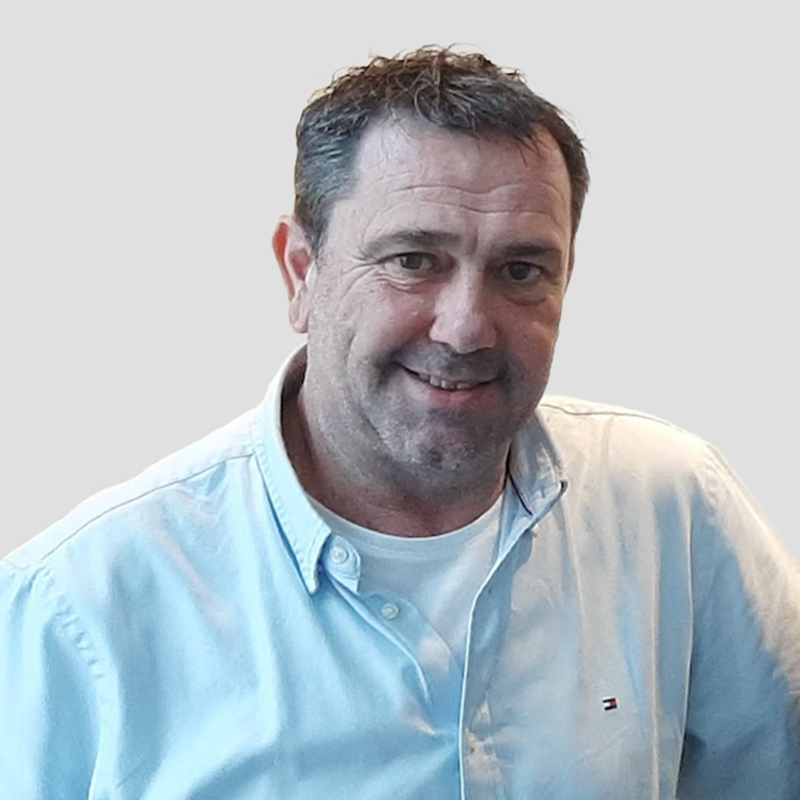
Now, Tobias and Floris share their stories because they believe that by putting a face to the disease, they can help accelerate the journey from hope to treatment for everyone living with Limb-Girdle Muscular Dystrophy.
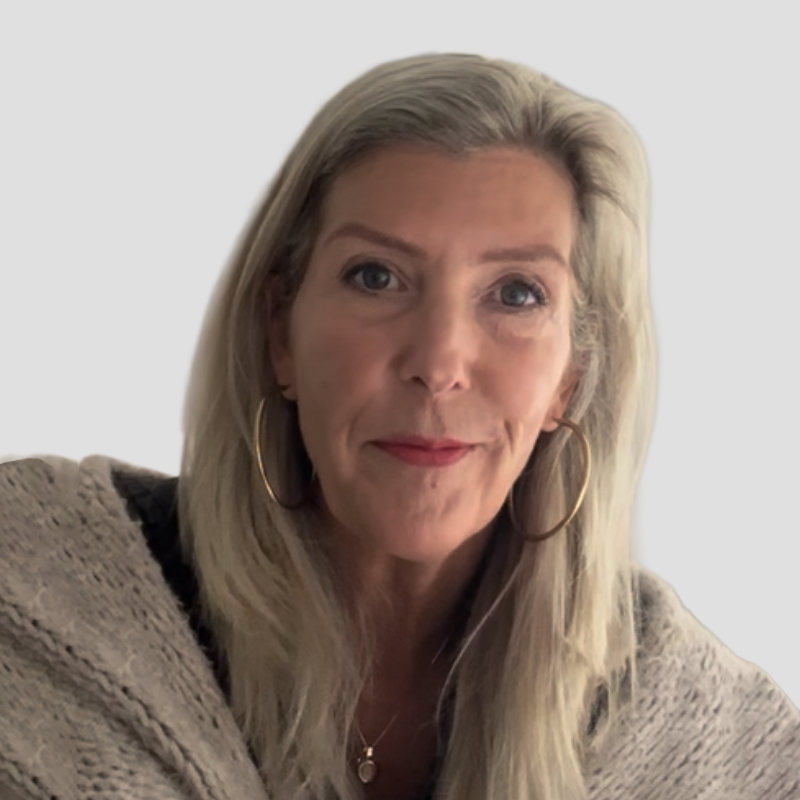
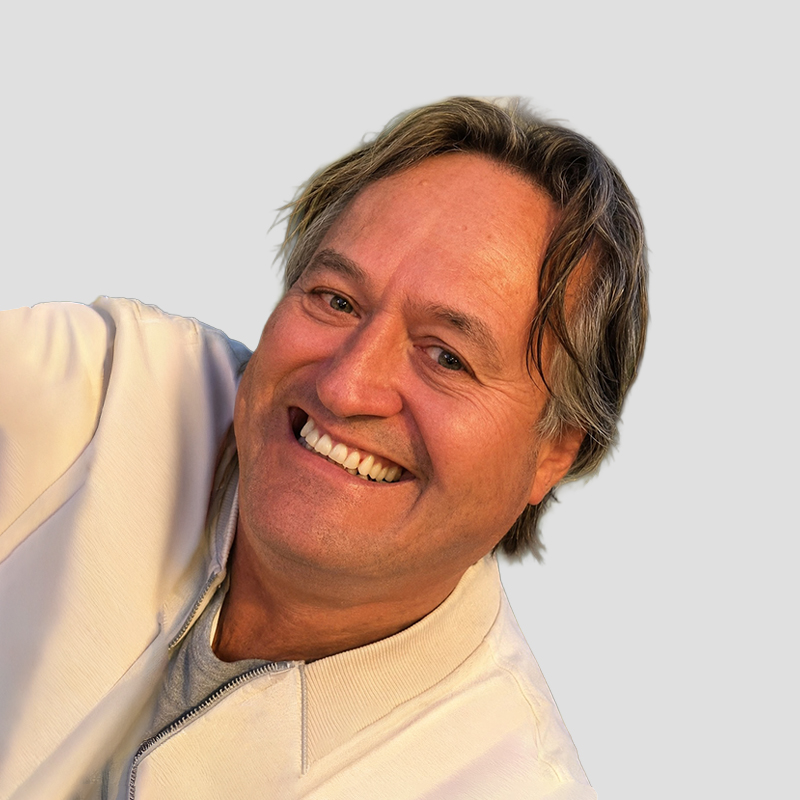
Four parents united by the same fight, accelerating the path to treatment for their sons and everyone living with LGMD2A/R1.

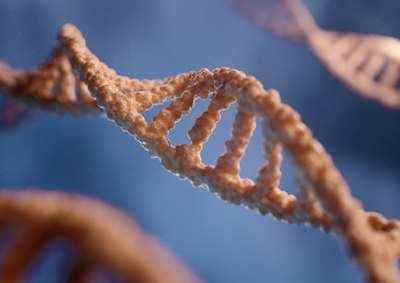
Calpainopathy, also known as LGMD Type 2A or LGMD-R1, is a rare genetic muscle disease caused by mutations in the CAPN3 gene. It is the most frequent form of Limb-Girdle Muscular Dystrophy worldwide, affecting more than 100,000 people globally and an estimated 13,000 patients in the US and EU, yet it remains without any approved treatment or cure.
The CAPN3 gene encodes calpain-3, a protein critical for muscle fiber maintenance and repair. When this protein is absent or dysfunctional, muscles progressively deteriorate, beginning in the hips and shoulders. Most patients lose the ability to walk 10 to 25 years after disease onset.
Caused by mutations in the CAPN3 gene (chromosome 15q15.1). Inherited in an autosomal recessive pattern, meaning both copies of the gene must carry a mutation for the disease to manifest.
Symptoms typically appear between ages 8 and 15, in at least two thirds of patients. Onset can occur as early as age 2 or as late as 40, with significant variability even within the same family.
Without treatment, patients lose the ability to walk 10 to 25 years after onset. Physical therapy can slow decline but cannot stop or reverse the underlying muscle loss.
More than 100,000 people worldwide live with LGMD-R1/2A, including 13,000 patients in the US and EU. It is the most frequent form of LGMD, and the reason we are focusing our efforts here first.
In LGMD, muscle function can gradually decline over time. People may lose the ability to do the things that matter most.
Keeping up with friends and doing the sports you love.

Being able to run, stay active and feel free.

Moving around independently at home, school or work.
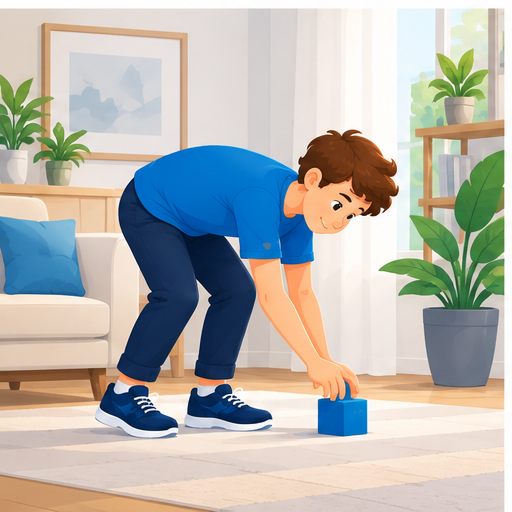
Simple tasks like picking something up become more difficult.
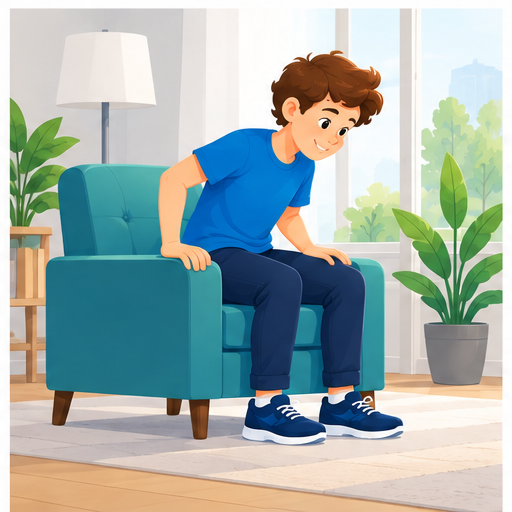
Maintaining independence in daily life.

Over time, walking can become very challenging.
Gene therapy offers real hope to change this trajectory. With the right support, we can help bring treatments within reach faster, for a brighter tomorrow.
For decades, Calpainopathy had no realistic path to treatment. That has changed, thanks to more than a decade of work by Genethon and its spin-off Atamyo Therapeutics.
Genethon is a non-profit pioneer laboratory in the discovery and development of gene therapies for rare diseases. Fifteen gene therapy products developed, alone or with its contribution, are currently in clinical trials across a range of rare diseases. Genethon is also among the originators of Zolgensma®, the gene therapy for spinal muscular atrophy, now licensed to and marketed by Novartis. Their track record is why we believe ATA-300 can make the same journey, from the laboratory to the patients who need it.
Whether you're a patient, family member, healthcare professional, researcher, or simply someone who believes in rare disease advocacy. There is a role for you in this mission.
Every contribution goes directly to fund concrete clinical trials that have the potential to make a real impact in a LGMD treatment, and research grants.
Give nowAre you a research institution, biotech company, hospital, or nonprofit? We actively seek research partnerships and institutional collaborations around the world.
Contact usRun a marathon, organize an event, or launch a personal campaign. Peer-to-peer fundraising is one of the most powerful ways to spread both money and awareness simultaneously.
Start a campaignYour donation goes directly toward funding the path to a Phase 1 clinical trial for LGMD2A/R1, supporting research, and global awareness. We accept donations from anywhere in the world.
Prefer a direct transfer? Get our IBAN and account details.
Securities, a legacy gift, corporate matching, or something else in mind? We'd love to hear from you.
Get in touchWe are proud to be connected with leading patient organisations, research foundations, and advocacy groups around the world working to advance the fight against LGMD.