
Floris, 21 years old, law student.
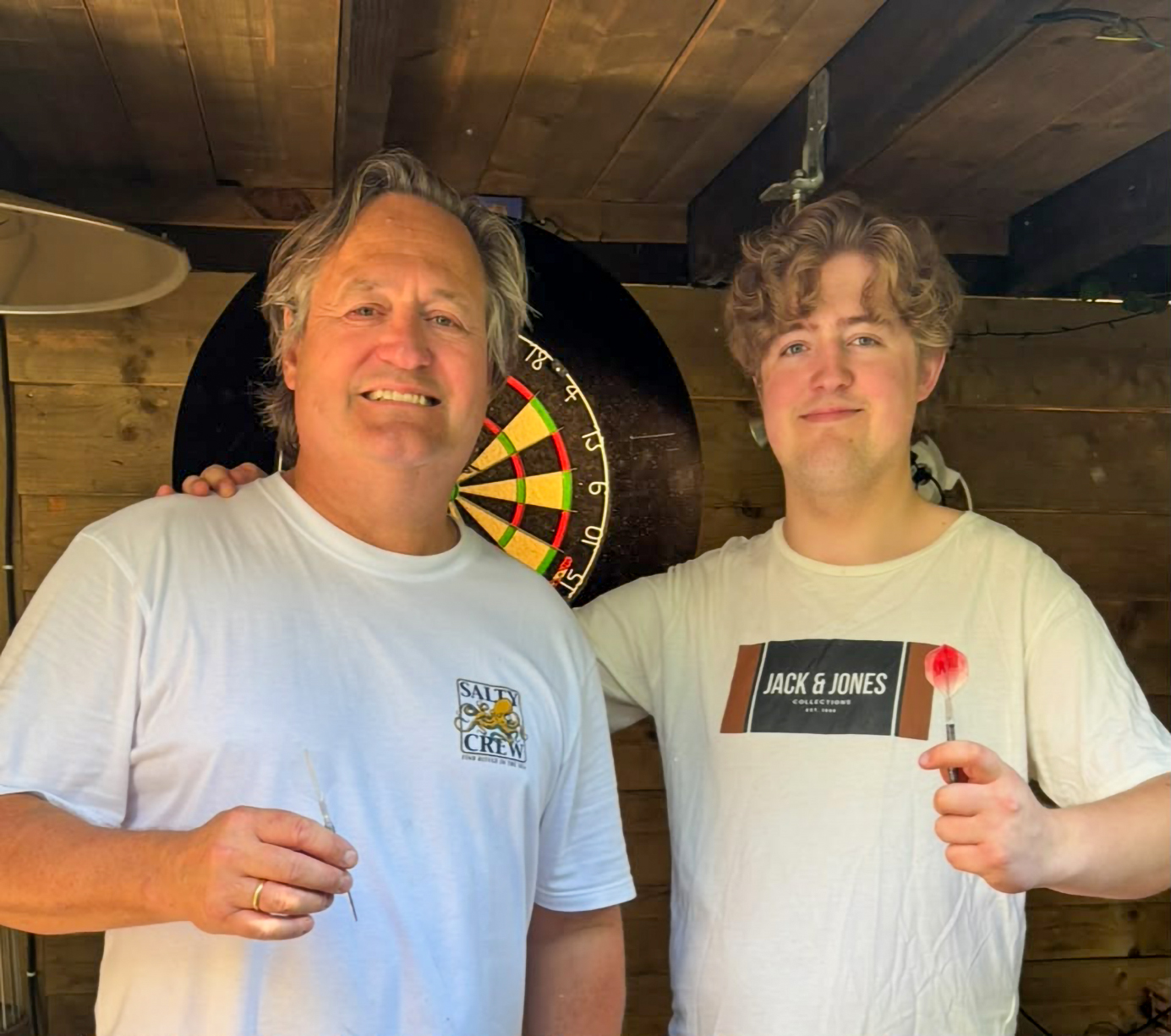
Tell us about yourself. What do you enjoy, what are you passionate about, and what would your friends say about you?
Hi I'm Floris, I enjoy hanging out with friends, listening to music, learning new things and watching sports. My friends would say that I probably am enthusiastic, that I like to converse and play games, but I can also be quite competitive at those.
I can't play hockey and tennis anymore, but recently I've found a new passion, which is playing darts, a game that has a lower bar to entry, which means I can play darts without being held back by a lack of muscle power. I also find confidence in it, instead of having to quit because of being restrained by the limits of my muscle power in other sports.
How has LGMD shaped your life? What has been the biggest challenge, and what has living with LGMD taught you about yourself?
My diagnosis came at the age of nine, after a long journey to find out what was happening to me, and finally a muscle biopsy. Although the dystrophy is progressive, at first it felt quite subtle, just after having a growth spurt the difference started to get more clear with my classmates for example. That is why managing the fact that my body can't adapt itself quickly or optimally enough has been one of the most struggling aspects of living with this condition, because my muscle mass can't grow at the same speed my body can. More the opposite, muscle tissue can't repair itself properly and fully.
My biggest challenges are climbing stairs, walking, getting up from a chair. I have to pick my battles, because every simple movement takes a lot of strength and energy.
It feels like I carry tens of kilograms of extra weight on my body with every move I make.
Barriers are everywhere; an uneven pavement, unexpected stairs, or a broken elevator. Although this is difficult, I try my best to adapt. There are really difficult days, but I find that living with the progressive nature of the dystrophy, also makes me being more insightful, experienced and alert.
A childhood spent giving back
Long before the Together for Limb-Girdle Foundation existed, I was already putting a face to muscle disease. As a child, I served as an ambassador for Spieren voor Spieren (Muscles for Muscles), raising awareness and funds for children living with neuromuscular conditions.
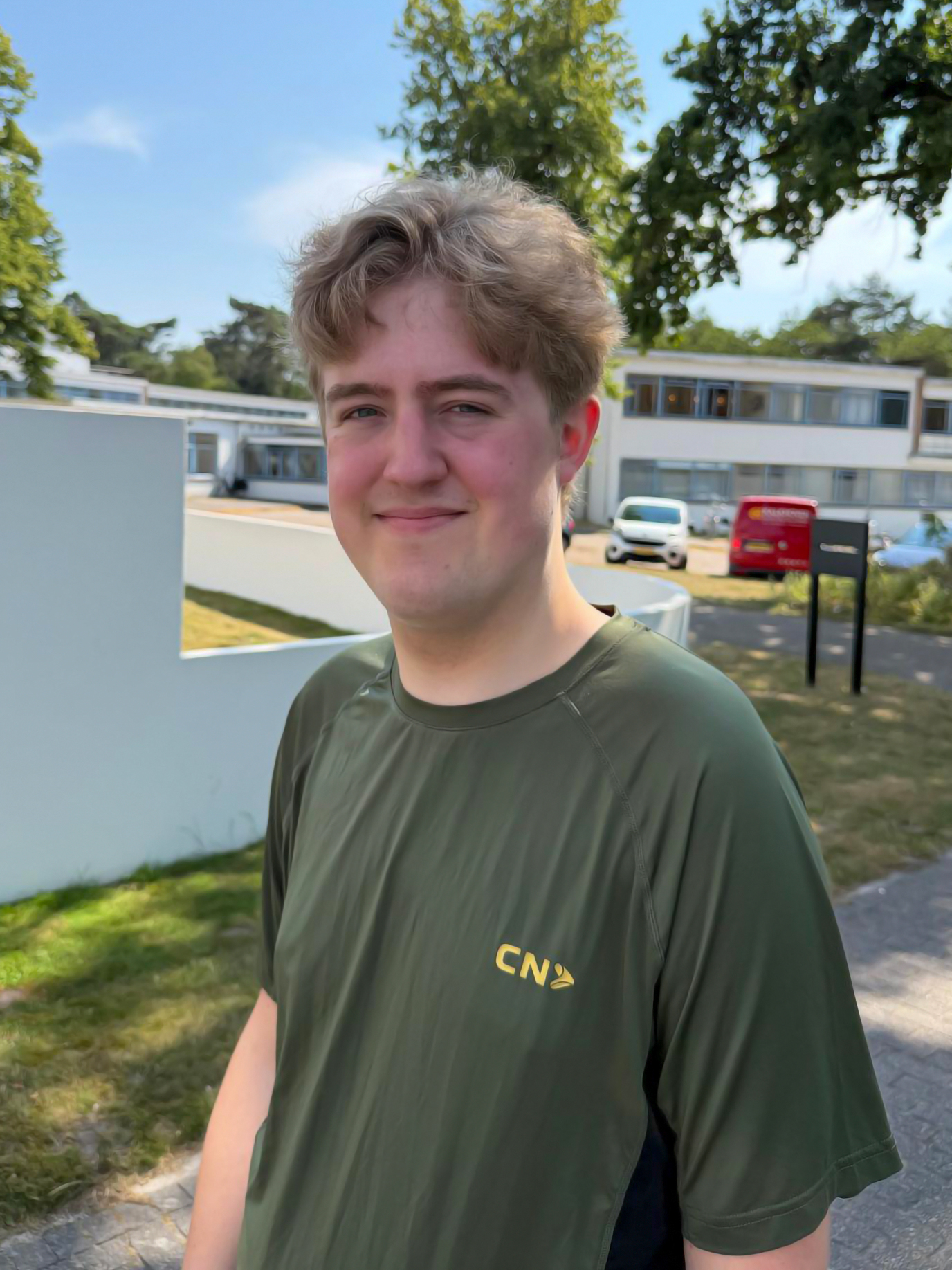
What do you hope for your future? What are your dreams, ambitions, or experiences you hope to have?
For the future I hope I can live my potential in lots of facets of life. I would love to graduate from my law studies and be able to move around freely, without literally having to prepare every step I take, which takes up a lot of head space.
I've found that lots of times I've had to compromise my goals and aspirations and thereby having to calibrate my worldview to the consequences of my diagnosis. I hope I can do lots of new things that aren't logical for me to do now; walking around, going out, exercise, travel, being able to move without effort.
What does the progress in gene therapy mean to you? Knowing that research is moving closer to treatments, what gives you hope? And if a successful therapy became available, what would it mean for your life?
The progress in gene therapy gives me a lot of hope, because a lot of doors had been closed for me, even in my own head. I've always loved sports, so treatment definitely has the potential to be the key to open that door once again. Also in the broader sense, because I will feel more free, in my own body and in the world.
Being able to move around would mean the world to me, literally.
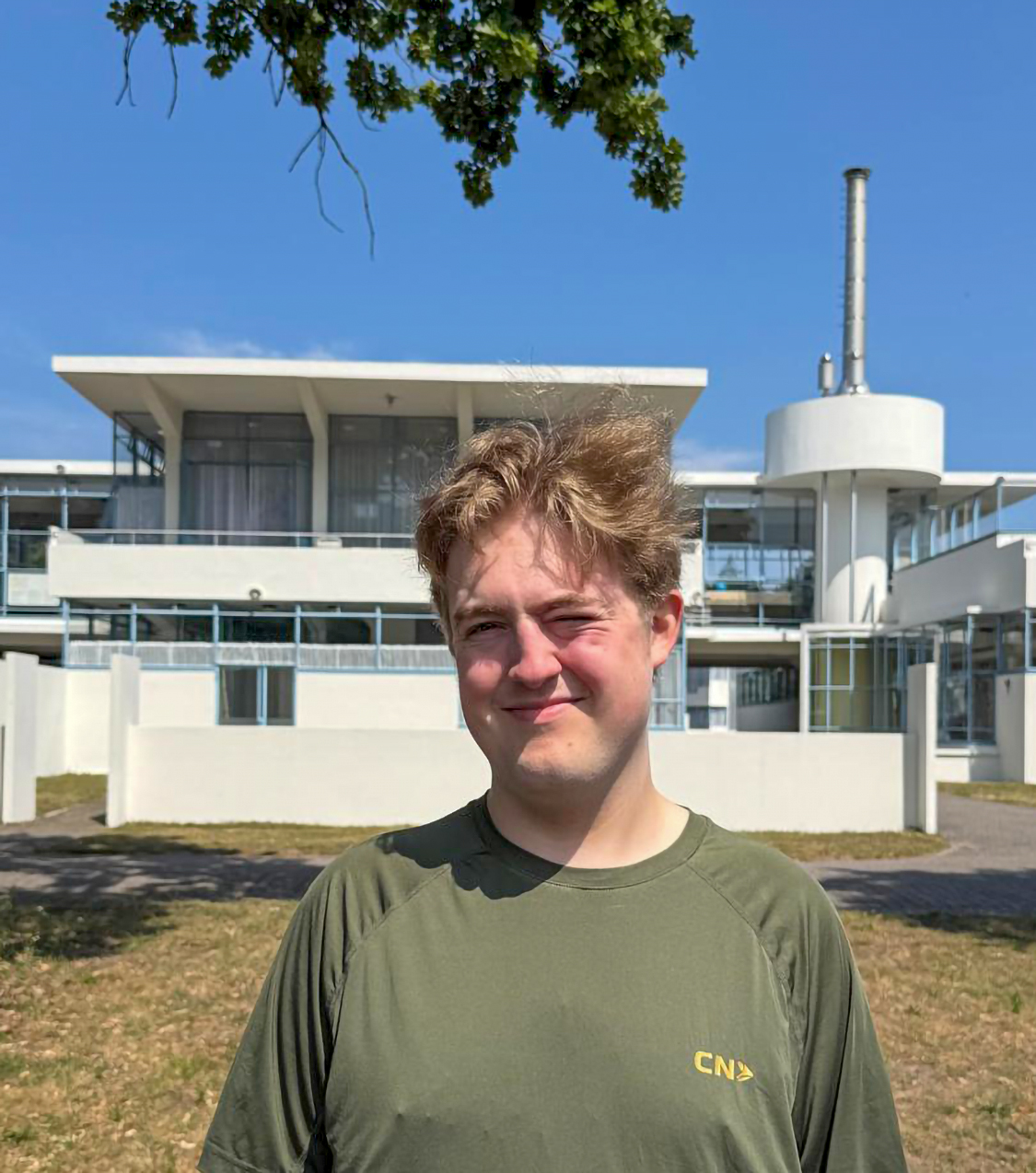
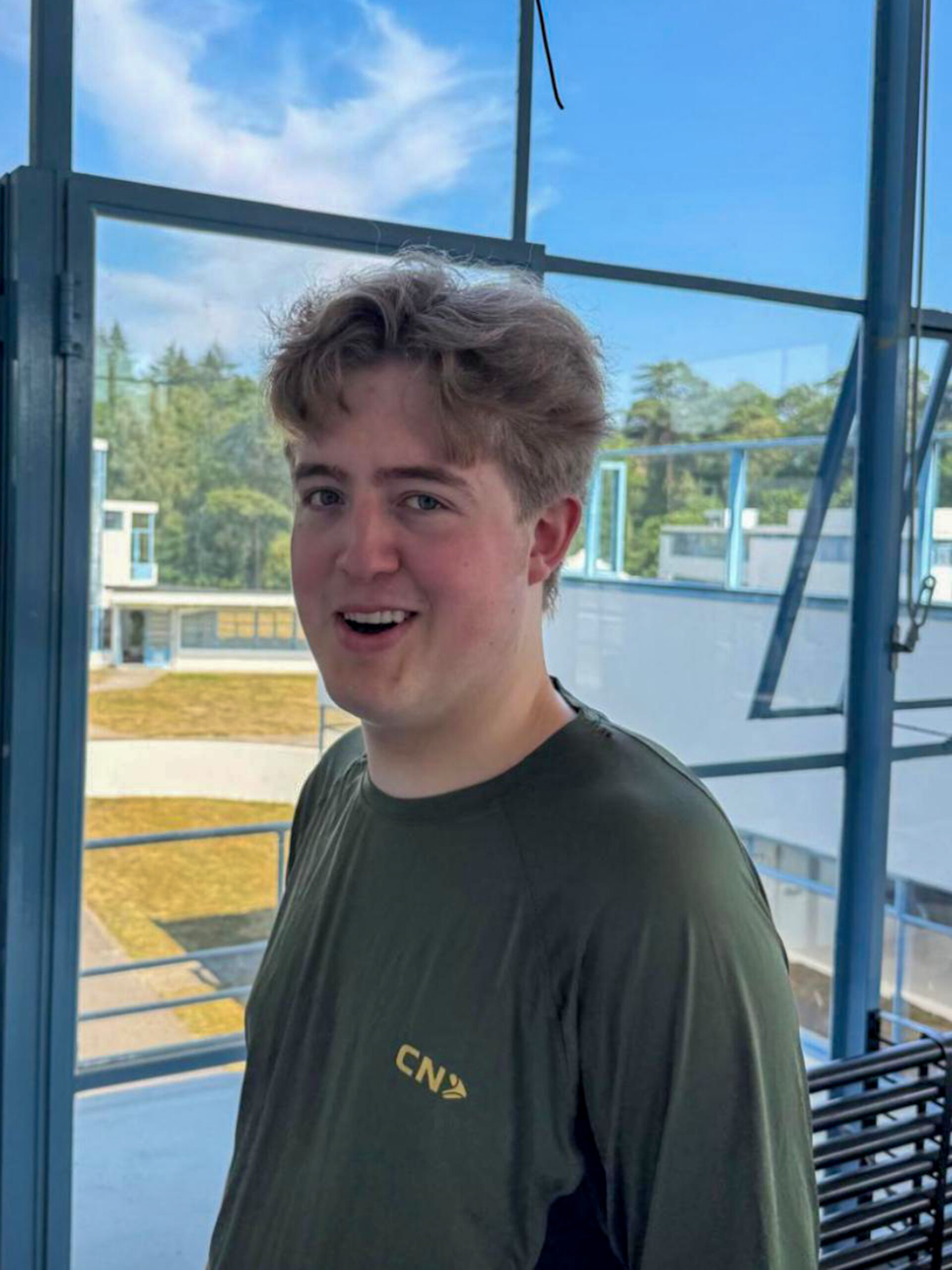
What message would you like to leave visitors to this website? What would you want people to understand about LGMD, and why should they support the Together for Limb-Girdle Foundation?
"I would like to share a message of hope to all people affected by a neuromuscular disease. If this clinical trial is successful it means a massive breakthrough. For myself, Tobias and others like us."
I would also like to say thanks to all who show an interest, because especially with this diagnosis sometimes it is hard for strangers to understand why we move the way we do, let alone the difficulties of the dystrophy it can bring daily. When this information is spread, it also helps to raise awareness with people who are not familiar with muscular diseases like Limb-Girdle.
I think it is super important that there is more attention going towards rare diseases in general, to the impressive progress of gene therapy for Limb-Girdle specifically, and ultimately to make the clinical trial happen that Genethon is working on. The sooner phase 1 can start, the sooner the next phases are able to start, paving a way to treatment. It is hard to imagine for me there actually is something that can solve the problem with my muscles. My parents have been searching the whole world ever since my diagnosis, and now there is an actual solution. And it's here, in Europe.
I myself have to get used to the idea that we will have an actual path to a cure. I am very careful to allow the feeling that this is actually happening, I almost can't believe it. It will shape our future in a way that is so big, it is difficult to explain.
Thank you for your attention, and thank you for your support.
Floris Behrens
Limb-Girdle Muscular Dystrophy, known in Dutch as calpainopathy, is an umbrella term for a group of conditions that share several common characteristics. It unfortunately cannot be cured. Treatment focuses on relieving symptoms and limiting the impact of the disease, a challenge Floris and many others around the world face every day.